November 20, 2026
Driveway or garage charging for compact Bay Area homes
By @thechargingspace
Where to park and plug when space is tight
For many homeowners in San Jose and the wider Bay Area, the question of where to charge an electric vehicle is shaped by a familiar constraint: limited space. Compact lots, narrow driveways, and garages that double as storage rooms make the choice between driveway and garage charging less obvious than it might seem. Each option comes with its own set of practical considerations, from convenience and weather protection to the logistics of running cable and meeting local requirements.
Understanding how these two setups compare can help you decide which one suits your property and daily routine. The decision often comes down to how you use your driveway and garage, what kind of electrical work your home can accommodate, and how much you value keeping the charger and the car out of the elements.
Garage charging: protection and permanence
A garage offers the most sheltered location for both the vehicle and the charging equipment. The charger is mounted on an interior wall, protected from rain, sun, and temperature swings. The car stays dry while it charges, which is especially welcome during the Bay Area’s cooler months or when morning fog leaves everything damp.
From an electrical standpoint, a garage installation is often straightforward because the main panel is frequently located on an exterior wall of the garage or in a nearby utility space. Running conduit inside the garage keeps the wiring out of sight and reduces the risk of damage from landscaping, foot traffic, or vehicles. The charger itself can be placed at a convenient height, and the cable can be managed with a wall-mounted holster or a simple hook.
There are trade-offs. If your garage is used for bikes, tools, holiday decorations, or household overflow, you may need to reorganise to make room for the car. Some compact Bay Area garages were built for smaller vehicles than today’s EVs, so fitting a modern sedan or SUV inside can be tight. Door clearance and turning radius matter more than you might expect. If the garage is detached or located at the back of the property, the conduit route from the panel to the charger may be longer, which adds complexity to the installation.
Another consideration is convenience. Pulling into the garage every evening becomes second nature, but if the garage is not attached to the house or if the entry is narrow, some drivers find it easier to park in the driveway and charge there instead.

Driveway charging: access and flexibility
A driveway charger keeps the car outside, which can be the simpler option for many compact homes. You avoid the hassle of clearing out the garage or squeezing the car through a tight door. The charger is mounted on an exterior wall near the driveway, or on a pedestal if no wall is conveniently placed.
Driveway charging works especially well when the driveway is wide enough to park the car close to the house, so the charging cable does not have to stretch across a walkway or lie where someone might trip over it. In many San Jose homes, the driveway runs alongside the house, making it easy to run conduit from the panel to an exterior wall. The installation can be clean and unobtrusive, with the charger placed just inside the garage or on the side of the house, and the cable reaching the car through a small gap under the garage door or through a dedicated cable slot.
Weather exposure is the main downside. The charger unit itself is built for outdoor use and rated for rain and sun, but the cable and connector can collect dirt, leaves, and moisture. Over time, UV exposure may degrade the cable jacket if the charger is in direct sun for hours each day. The car’s charging port is also exposed to the elements while it is plugged in, though most EVs have weather-sealed ports that handle light rain without issue.
There is also the question of cable management. A driveway charger often requires a longer cable than a garage installation, and that cable needs to be stored neatly when not in use. Some chargers come with integrated cable management, but you may need to add a hook or a stand to keep the cable off the ground.
Comparing the two setups side by side
To help you weigh the options, here are the key differences at a glance:
- Weather protection: Garage charging keeps the car and equipment dry. Driveway charging exposes both to rain, sun, and temperature swings.
- Space use: Garage charging requires the car to fit inside, which may mean reorganising or clearing out storage. Driveway charging leaves the garage free for other uses.
- Installation complexity: Garage runs are often shorter and simpler if the panel is nearby. Driveway runs may require a longer conduit route or a pedestal mount.
- Convenience: Pulling into the garage is automatic for many drivers. Driveway charging can be easier if the garage is tight or used for storage.
- Cable management: Garage installations keep the cable indoors and out of the way. Driveway installations need a plan to keep the cable clean and untangled.
Neither option is universally better. The right choice depends on how you use your property and what you are willing to adjust.
When garage charging makes sense
Garage charging is a strong fit if your garage has enough clearance for your EV and you are willing to keep that space clear for parking. It is also a good choice if your home’s electrical panel is located in the garage or on a wall that shares the garage, because the conduit run is short and the installation is clean.
If you live in an area with frequent fog, drizzle, or windblown debris, the garage keeps the charging connection clean and dry. That can reduce the chance of dirt getting into the charging port and save you from wiping the connector before plugging in. For households with small children or pets, garage charging also keeps the cable out of reach and off the ground.
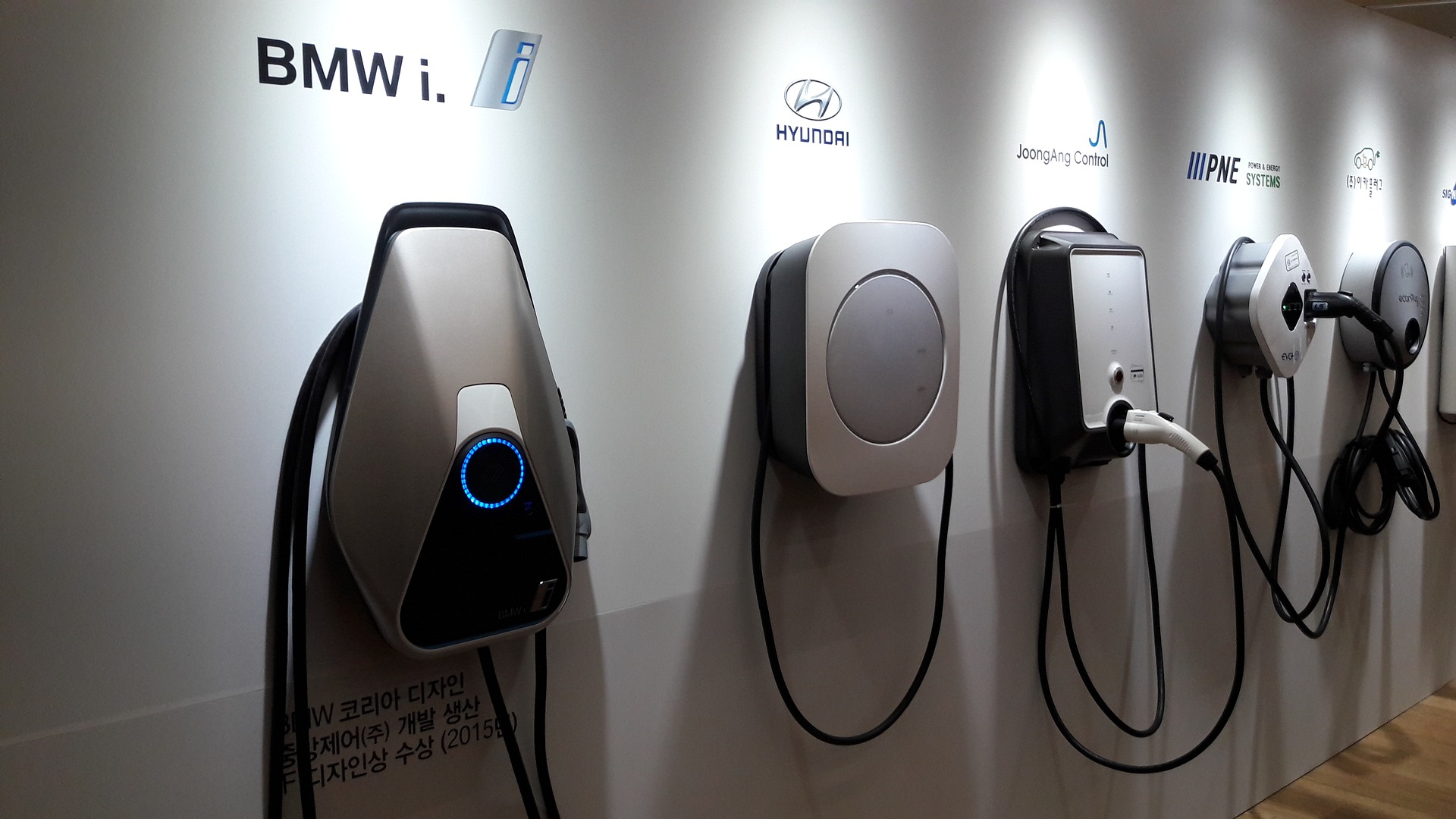
One less obvious advantage is that a garage-mounted charger is less visible from the street. That can be a minor aesthetic consideration, but it also means the equipment is not exposed to accidental bumps from delivery trucks, mail carriers, or visitors pulling into the driveway.
When driveway charging makes more sense
Driveway charging becomes the practical choice when the garage is too small, too full, or simply not used for parking. Many compact Bay Area homes have garages that were built in an era when cars were smaller, or that have been converted into living space, workshops, or storage. In those cases, parking in the driveway is the daily reality, and a driveway charger aligns with that habit.
Driveway charging also works well if you have a shared or tandem driveway where the car is parked in a specific spot near the house. Some homes have a driveway that runs alongside the house to a rear parking area, and a charger mounted on the side of the house can reach the car without crossing the path. If the driveway is covered by a carport or an awning, you get partial weather protection without needing to park inside.
For households with two EVs, a driveway charger can be positioned to serve both parking spots, especially if the charger has a long cable or if you install a dual-port unit. That kind of flexibility is harder to achieve in a single-car garage.
What to consider before deciding
Before you settle on a location, it is worth thinking about the installation itself. Every EV charger needs a dedicated circuit from the electrical panel, and the path that circuit takes matters for both cost and appearance. A straightforward run through an unfinished garage or along an exterior wall is simpler than a route that requires trenching, drilling through multiple walls, or running conduit across a finished ceiling.
Local permitting and inspection rules also play a role. San Jose and most Bay Area cities require a permit for a new EV charger circuit, and the inspector will want to see that the installation meets code. That is true whether the charger goes in the garage or on the driveway. The key difference is that an outdoor installation may need additional ground-fault protection and a weatherproof enclosure, which are already standard on most modern chargers but worth confirming.
Utility connection is another factor. If your panel is already near capacity, the electrician may need to upgrade the panel or add a subpanel before the charger can be installed. That work is the same regardless of where the charger ends up, but the panel’s location can influence the conduit route and the overall complexity of the job.
For many homeowners, the choice between driveway and garage charging comes down to a simple question: where does the car actually park every night? If the answer is the driveway, then a driveway charger is the natural fit. If the car lives in the garage, then garage charging is the better option. In either case, a professional installation assessment will identify the most practical route for the wiring and the best placement for the charger.
When you are ready to move forward, a qualified electrician can evaluate your property layout, discuss the conduit route, and help you decide which location works best for your home. The goal is a charger that fits your daily routine and your home’s electrical system without unnecessary compromises. Whether you choose driveway or garage charging, the process of charger installation for Bay Area homes starts with a clear understanding of your space and your parking habits.
Compact homes require thoughtful planning, but the range of options means there is almost always a workable solution. By weighing the trade-offs between shelter and accessibility, you can make a choice that feels right for your home and your driving routine. A good installation is one that you barely think about after it is done, the car charges, the cable stays tidy, and your daily life continues without friction.
Ultimately, the decision between driveway and garage charging is less about technology and more about how you live. The Bay Area’s mild climate makes either option viable, and the electrical requirements are similar. What matters most is choosing a spot that makes charging effortless, day after day. With the right planning and a professional installation, charger installation for Bay Area homes can be a smooth process that adds real convenience to your EV ownership experience.
❧